
Nutrition in HYROX: Fueling Strategies for Training and Race Day
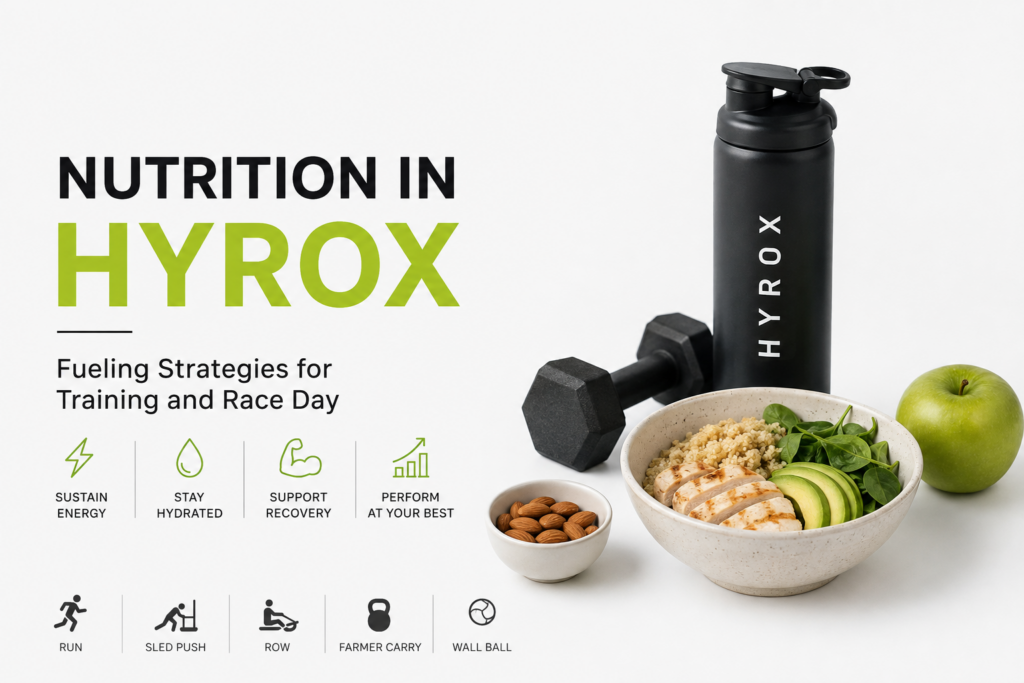
HYROX has become one of the world’s fastest-growing fitness races, combining endurance running with functional strength challenges. Unlike traditional races, HYROX tests multiple aspects of fitness, including cardiovascular endurance, muscular strength, power, stamina, and recovery. Preparing for this event requires more than just consistent training—it requires smart fueling. This is why understanding nutrition in HYROX is essential for athletes who want to perform at their best.
Many athletes spend months improving their running pace and strength but overlook nutrition. Without the right fuel, even the best training program can produce disappointing race-day results. Proper nutrition helps maximize energy, delay fatigue, improve recovery, support muscle repair, and maintain consistent performance throughout every stage of the race.
At FiProFat, our sports nutrition experts believe every athlete deserves a personalized nutrition strategy based on training intensity, body composition, competition goals, and recovery needs rather than a generic diet chart.
Why Nutrition Plays a Critical Role in HYROX
HYROX combines eight one-kilometer runs with eight functional workout stations including sled pushes, sled pulls, rowing, burpee broad jumps, farmer’s carries, sandbag lunges, ski erg, and wall balls. This combination challenges both aerobic and anaerobic energy systems.
Following the right nutrition in HYROX strategy allows athletes to:
- Maintain steady energy levels
- Improve endurance
- Preserve muscle glycogen
- Recover faster after training
- Reduce muscle soreness
- Support lean muscle development
- Improve race-day performance
Every successful HYROX athlete begins with guidance from an experienced nutritionist and follows a balanced nutrition plan long before race day arrives.
Building a Strong Nutrition Foundation
Daily nutrition forms the base of every successful HYROX training program. Rather than focusing only on supplements or race-day meals, athletes should prioritize balanced eating habits throughout their training cycle.
Carbohydrates
Carbohydrates provide the primary source of fuel during both running and functional workouts. Adequate glycogen stores help athletes maintain power output and reduce fatigue during long training sessions.
Excellent carbohydrate choices include:
- Rice
- Oats
- Sweet potatoes
- Fruits
- Whole wheat bread
- Quinoa
- Millets
Athletes with high training volumes generally require more carbohydrates than recreational exercisers.
Protein
Protein is essential for repairing muscle tissue after demanding workouts and promoting strength adaptations.
Good protein sources include:
- Chicken
- Fish
- Eggs
- Paneer
- Greek yogurt
- Tofu
- Lentils
- Whey protein
Athletes focused on improving lean muscle alongside endurance may also benefit from structured Weight Gain Nutrition Programs that emphasize muscle recovery without excessive fat gain.
Healthy Fats
Healthy fats support hormone production, overall health, and long-duration energy needs.
Choose foods such as:
- Almonds
- Walnuts
- Chia seeds
- Flaxseeds
- Olive oil
- Peanut butter
- Avocados
Avoid consuming large quantities of fat immediately before intense workouts because digestion may slow down.
Pre-Workout Nutrition
Many athletes underestimate how much their pre-workout meal affects performance.
Ideally, consume a balanced meal 2–3 hours before training.
Some excellent options include:
- Oats with banana and Greek yogurt
- Rice with grilled chicken
- Peanut butter toast with fruit
- Idli with sambar
- Vegetable poha with boiled eggs
If training begins within one hour, lighter snacks work better.
Good options include:
- Banana
- Dates
- Toast with honey
- Fruit smoothie
- Energy bar
Proper nutrition in HYROX helps maintain energy levels throughout demanding workouts while reducing the risk of early fatigue.
Fueling During Long Training Sessions
Most HYROX preparation sessions last between 60 and 120 minutes.
For workouts longer than 90 minutes, athletes may benefit from:
- Sports drinks
- Energy gels
- Electrolyte beverages
- Bananas
- Dates
- Easily digestible carbohydrate snacks
Hydration is equally important.
Sweating leads to losses of both fluids and electrolytes, particularly during hot weather or high-intensity sessions.
Drinking water consistently while replacing sodium and other electrolytes helps maintain performance and reduces cramping.
Athletes aiming to improve body composition without compromising performance often benefit from personalized Weight Loss Nutrition Programs that balance energy intake with demanding training schedules.
Recovery Nutrition
Recovery begins immediately after training.
The first hour following exercise provides an excellent opportunity to replenish glycogen stores and begin muscle repair.
A recovery meal should ideally include:
- High-quality protein
- Complex carbohydrates
- Fluids
- Electrolytes
Examples include:
- Rice with chicken
- Protein smoothie with fruit
- Greek yogurt with berries
- Paneer with vegetables
- Egg sandwich
Proper recovery nutrition improves training consistency and reduces injury risk over time.
Athletes involved in regular strength training can further optimize recovery through personalized Gym Nutrition Programs that align food intake with workout intensity.
Race Week Nutrition Strategy
The final week before a HYROX event is not the time to experiment with new foods or extreme dieting. The goal is to arrive at the start line well-fueled, hydrated, and fully recovered.
During race week:
-
Increase carbohydrate intake slightly 2–3 days before the event to maximize glycogen stores.
-
Maintain your normal protein intake to support muscle recovery.
-
Drink plenty of water throughout the day.
-
Include electrolyte-rich fluids if you’re training in hot or humid conditions.
-
Avoid excessive alcohol and processed foods.
-
Prioritize 7–9 hours of quality sleep every night.
Consistency is far more beneficial than making drastic dietary changes at the last minute.
Race Day Nutrition
Your race-day meal should provide sustained energy while being easy to digest.
Eat your main meal around 2–3 hours before the race.
Some ideal options include:
-
Oatmeal with banana and honey
-
Toast with peanut butter and fruit
-
Rice with eggs
-
Bagel with jam
-
Low-fat yogurt with oats
About 30–45 minutes before your start time, you may choose a small carbohydrate snack such as:
-
Banana
-
Dates
-
Sports drink
-
Energy gel
Never try a new supplement or unfamiliar food on race day. Always test your fueling strategy during training sessions first.
Athletes who prefer individualized planning can benefit from an Online Dietitian Consultation, where race-day nutrition is tailored to training volume, body composition, and performance goals.
Hydration and Electrolytes
Hydration is one of the most overlooked aspects of nutrition in HYROX.
Even mild dehydration can reduce endurance, concentration, and muscular performance.
To stay hydrated:
-
Drink water consistently throughout the day.
-
Include electrolyte-rich beverages during longer sessions.
-
Monitor urine color as a simple hydration indicator.
-
Replace fluids lost after training.
Athletes training in warmer climates may require additional electrolyte support due to increased sweat loss.
Supplements That May Support HYROX Performance
While supplements cannot replace a balanced diet, some may complement a structured training program when used appropriately.
Common evidence-based supplements include:
Whey Protein
Supports muscle recovery and helps athletes meet daily protein requirements.
Creatine Monohydrate
Improves strength, power output, and repeated high-intensity performance.
Caffeine
May improve focus, reduce perceived fatigue, and enhance endurance when consumed in appropriate amounts before training or competition.
Electrolytes
Help replace sodium and minerals lost through sweat, especially during long training sessions or races in hot weather.
Before adding supplements to your routine, consult a qualified sports nutrition professional to ensure they align with your goals and health status.
Common Nutrition Mistakes HYROX Athletes Make
Many athletes unknowingly reduce their performance through avoidable mistakes.
These include:
-
Training on an empty stomach
-
Eating too little carbohydrate
-
Ignoring hydration
-
Skipping recovery meals
-
Trying new supplements on race day
-
Following restrictive fad diets
-
Inconsistent protein intake
-
Poor meal timing
Following structured nutrition in HYROX strategies helps avoid these mistakes while supporting consistent progress throughout training.
Should You Work with a Sports Nutritionist?
Every athlete responds differently to training and nutrition.
Factors such as age, body composition, metabolism, recovery rate, competition schedule, and medical history all influence nutritional requirements.
Working with a qualified sports nutritionist allows you to:
-
Calculate calorie requirements
-
Optimize macronutrient intake
-
Improve recovery
-
Plan race-day nutrition
-
Reduce gastrointestinal issues during events
-
Support body composition goals
-
Monitor progress through personalized adjustments
Athletes with diabetes or cardiovascular conditions should seek guidance through Diabetes Dietitian Services or Heart Health Dietitian Services before beginning intensive training programs.
Female athletes managing hormonal changes or PCOS may also benefit from specialized PCOS Nutrition Guidance to support both health and athletic performance.
If you’re unsure where to begin, completing the Online Diet Assessment is a great first step toward understanding your nutritional needs.
Why Choose FiProFat?
At FiProFat, we understand that no two athletes are the same. Every nutrition plan is designed around your training schedule, performance goals, lifestyle, and recovery requirements.
Our sports nutrition approach focuses on:
-
Personalized meal planning
-
Performance nutrition
-
Recovery optimization
-
Body composition improvement
-
Sustainable eating habits
-
Scientific, evidence-based recommendations
Whether you’re preparing for your first HYROX race or aiming for a personal best, individualized nutrition can help maximize your training efforts.
Learn more about our approach on the About FiProFat page and explore additional expert resources on the FiProFat Blog.
Conclusion
HYROX is one of the most demanding fitness competitions because it challenges endurance, strength, speed, and recovery simultaneously. Training alone is not enough to perform at your highest level. Following the right nutrition in HYROX strategy allows athletes to fuel workouts effectively, recover faster, reduce fatigue, and maintain consistent performance throughout race day.
By focusing on balanced meals, proper hydration, strategic carbohydrate intake, adequate protein, and individualized recovery plans, athletes can build a strong nutritional foundation that supports long-term performance.
If you’re looking for expert sports nutrition guidance, personalized meal planning, or race-day fueling strategies, the team at FiProFat is here to help.
Ready to take your HYROX performance to the next level? Contact FiProFat today and receive a nutrition plan tailored specifically to your training and competition goals.
Frequently Asked Questions
What is the best nutrition strategy for HYROX?
A balanced diet rich in carbohydrates, protein, healthy fats, and adequate hydration provides the foundation for HYROX performance. Nutrition should also be adjusted according to training intensity and competition schedule.
What should I eat before a HYROX race?
Consume a carbohydrate-rich, easily digestible meal 2–3 hours before the race, followed by a light carbohydrate snack if needed 30–45 minutes before the start.
Is hydration important in HYROX?
Yes. Proper hydration and electrolyte replacement help maintain endurance, improve concentration, reduce fatigue, and support muscle function throughout training and competition.
Should I take supplements for HYROX?
Supplements such as whey protein, creatine, caffeine, and electrolytes may benefit some athletes, but they should complement—not replace—a balanced diet.
Can a sports nutritionist improve HYROX performance?
Yes. A sports nutritionist creates personalized nutrition plans that support energy, recovery, body composition, and race-day performance based on your individual goals and training demands.
Recent Post
-
 17 Sep 2026Best Weight Gain Dietitian in Thane: Personalized Plans for Healthy Weight Gain
 -
 04 Sep 2026Best Dietician in Thane for Weight Loss: Personalized Diet Plans That Work
 -
 02 Sep 2026Benefits of Consulting a Nutritionist in Thane for Better Health
 -
 17 Aug 2026Top 5 Best Dietitians for Weight Loss in Pune
 -
 11 Aug 2026Struggling with Weight? Meet the Best Dietitian in Thane for Personalized Plans
Categories
Start Your Wellness Journey
FiProFat provides personalized nutrition guidance designed for sustainable, realistic results.
Continue reading