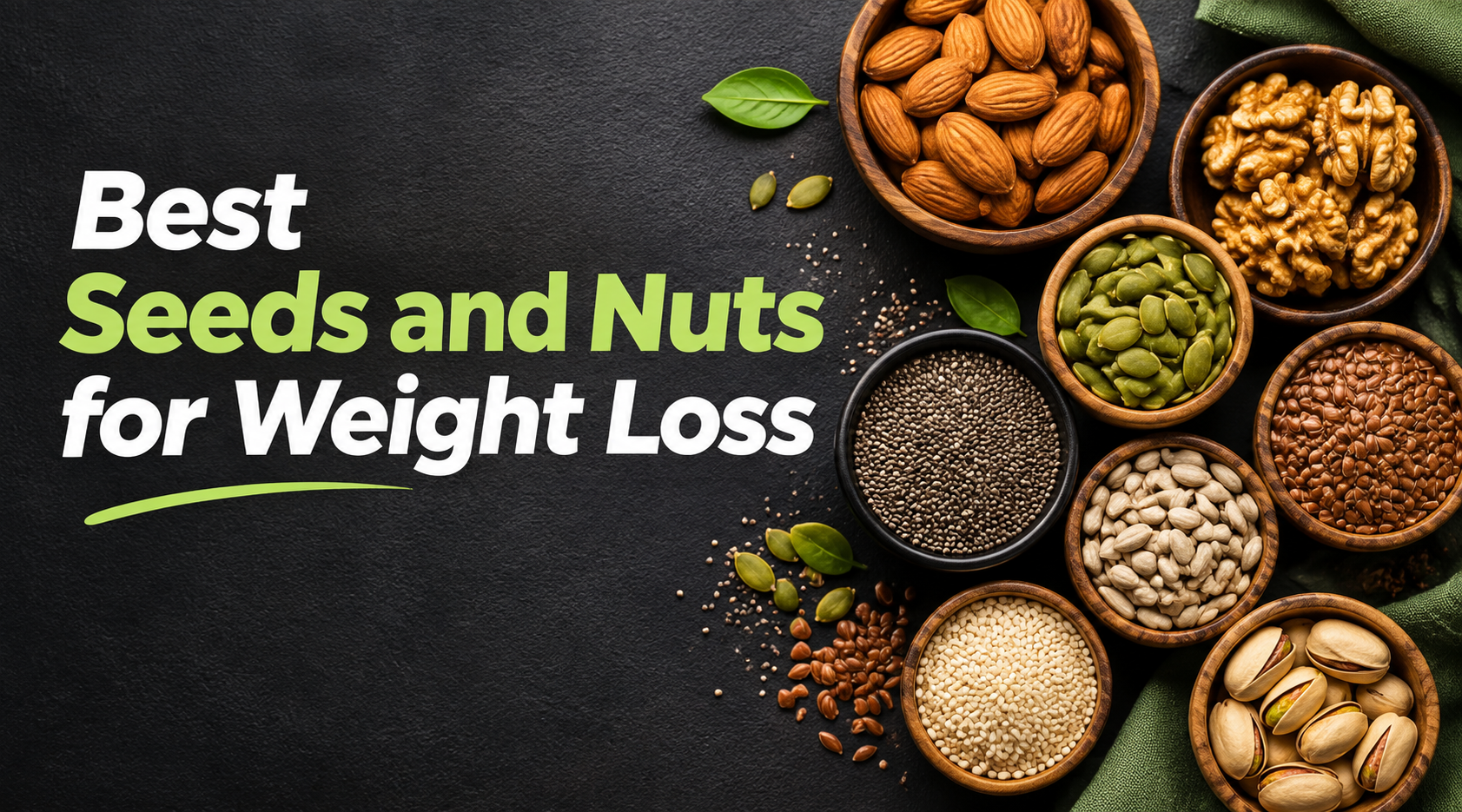
How to Increase Protein Intake as a Vegetarian: Best High-Protein Foods, Meal Plans and Practical Tips
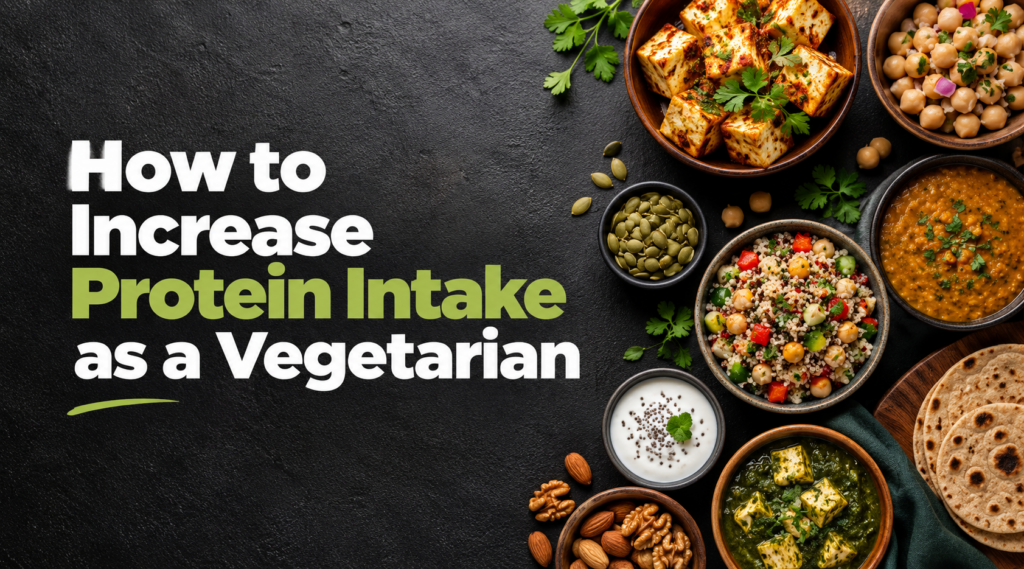
Getting enough protein on a vegetarian diet can seem challenging, especially if you are trying to build muscle, lose weight, improve fitness, or maintain a healthy lifestyle. Many people believe that protein mainly comes from chicken, fish, and eggs. However, a well-planned vegetarian diet can provide sufficient protein through everyday foods such as paneer, tofu, soya chunks, dal, chickpeas, rajma, milk, curd, nuts, and seeds.
The key is knowing which foods contain the most protein, how much you should eat, and how to include different protein sources in your daily meals.
If you have been searching for how to increase protein intake as a vegetarian, this guide will help you understand the best sources of protein in a vegetarian diet, practical ways to maintain your daily protein intake, and how to prepare a balanced Indian vegetarian meal plan.
Whether your goal is muscle development, weight management, better recovery, or overall health, you can make your vegetarian diet more protein-rich without completely changing your eating habits.
Why Is Protein Important for Your Body?
Protein is one of the three essential macronutrients, along with carbohydrates and fats. It is made up of amino acids that help your body build and repair tissues and perform several important functions.
Here are some reasons why adequate protein intake matters.
1. Supports Muscle Growth and Repair
Protein provides amino acids that help repair muscle tissue after exercise and support muscle development.
If you regularly visit the gym, perform strength training, or participate in sports, sufficient protein becomes particularly important for muscle recovery and maintenance.
A combination of appropriate exercise, adequate protein, and sufficient overall nutrition can support your fitness progress.
Explore FiProFat’s gym nutrition programs for personalized nutrition guidance based on your training goals.
2. Helps With Weight Management
Protein can increase feelings of fullness after meals, which may help reduce unnecessary snacking and support better appetite management.
Including protein-rich foods in breakfast, lunch, and dinner can make your meals more satisfying.
If your goal is to lose weight while maintaining muscle mass, explore FiProFat’s personalized weight loss dietitian programs.
3. Supports Healthy Hair, Skin, and Nails
Protein contributes to the formation of important structural components in the body, including keratin and collagen.
Adequate protein intake supports healthy body tissues. However, hair loss, brittle nails, and skin concerns can have several causes, so increasing protein alone may not resolve these issues.
4. Supports Recovery After Exercise
Physical activity creates a need for tissue repair and adaptation. Consuming sufficient protein alongside carbohydrates and other nutrients helps support recovery.
This is particularly relevant for people who participate in strength training, running, sports, and other physically demanding activities.
5. Helps Maintain Muscle Mass
Maintaining muscle becomes increasingly important as we age. Adequate protein intake combined with suitable physical activity, especially resistance training, can help preserve muscle mass and strength.
How Much Protein Do You Need Every Day?
Before learning how to increase protein intake, it is important to understand how much protein your body actually needs.
Your daily requirement depends on your body weight, age, physical activity, health status, and fitness goals.
For many healthy adults, a commonly used baseline recommendation is approximately 0.8 grams of protein per kilogram of body weight per day. People who regularly exercise, perform strength training, or have specific fitness goals may require more.
Here is an illustrative calculation based on 0.8 g of protein per kilogram of body weight.
| Body Weight | Approximate Daily Protein |
|---|---|
| 50 kg | 40 g |
| 55 kg | 44 g |
| 60 kg | 48 g |
| 65 kg | 52 g |
| 70 kg | 56 g |
| 75 kg | 60 g |
| 80 kg | 64 g |
These figures represent a general baseline, not a personalized protein target. Your requirements may be higher depending on your activity level and goals.
For example, someone trying to build muscle may need more protein than someone with a sedentary lifestyle.
People with kidney disease or certain medical conditions should consult their healthcare professional before significantly increasing protein intake.
What Is the Best Source of Protein in a Vegetarian Diet?
One of the most common questions among vegetarians is which food provides the most protein.
There is no single best source for everyone. Some foods contain more protein per serving, while others offer additional nutrients such as fibre, calcium, iron, and healthy fats.
The best approach is to include a variety of protein-rich foods rather than depending on just one ingredient.
Here are some of the best vegetarian protein sources commonly available in India.
1. Soya Chunks
<text>Approximate protein: 25–26 g per 50 g of dry soya chunks</text>
Soya chunks are among the most protein-dense vegetarian foods and are particularly useful for people who want to increase protein intake without relying on dairy.
They are made from defatted soy flour and provide a substantial amount of plant-based protein.
You can include soya chunks in:
Soya chunk curry.
Soya pulao.
Soya vegetable stir-fry.
Soya cutlets.
Soya keema.
Homemade wraps.
They are affordable, easy to prepare, and suitable for several Indian recipes.
2. Paneer
<text>Approximate protein: 18–20 g per 100 g</text>
Paneer is one of the most convenient vegetarian protein sources for people who consume dairy.
It can be included in:
Paneer bhurji.
Paneer tikka.
Paneer sandwiches.
Paneer-stuffed chilla.
Paneer salads.
Homemade paneer wraps.
Choose cooking methods that use moderate amounts of oil, butter, and cream.
3. Tofu
<text>Approximate protein: 8–15 g per 100 g, depending on the type</text>
Tofu is made from soybeans and is an excellent option for vegetarians and vegans.
It contains plant-based protein and can easily absorb the flavours of Indian spices.
Try including tofu in:
Tofu bhurji.
Grilled tofu salads.
Vegetable stir-fries.
Tofu curry.
Tofu sandwiches.
Homemade wraps.
4. Lentils and Dal
<text>Approximate protein: 7–9 g per 100 g of cooked dal, depending on the variety</text>
Dal is one of the most accessible protein sources in Indian households.
Different varieties offer protein, fibre, and other essential nutrients.
Useful options include:
Moong dal.
Masoor dal.
Toor dal.
Urad dal.
Chana dal.
Include a bowl of dal with your regular lunch or dinner to improve the protein content of your meals.
5. Rajma and Chickpeas
<text>Approximate protein: 8–9 g per 100 g when cooked</text>
Rajma and chickpeas are excellent additions to a vegetarian diet.
They provide plant protein, fibre, and important minerals.
Some easy ways to include them are:
Rajma curry.
Chole.
Chickpea salad.
Hummus.
Chickpea wraps.
Homemade bean patties.
6. Greek Yogurt and Hung Curd
<text>Approximate protein: 8–10 g per 100 g for many plain Greek yogurt products</text>
Greek yogurt and hung curd generally provide more protein than regular curd because some liquid whey is removed during preparation.
You can include them in:
Breakfast bowls.
Smoothies.
Fruit and yogurt combinations.
Raita.
Homemade dips.
Always check the nutritional label because protein content varies between brands.
7. Milk
<text>Approximate protein: 3–3.5 g per 100 ml</text>
Milk is a simple way to add protein to your everyday diet.
You can consume it with breakfast, add it to oats, prepare smoothies, or use it in homemade shakes.
8. Peanuts and Peanut Butter
<text>Approximate protein: 25–26 g per 100 g of peanuts</text>
Peanuts provide plant protein, healthy fats, and energy.
Some ways to include them are:
Roasted peanuts.
Peanut chutney.
Peanut butter on whole-wheat toast.
Peanut and vegetable salads.
Since peanuts and peanut butter are calorie-dense, keep portions appropriate for your nutritional goals.
9. Nuts and Seeds
Almonds, walnuts, pumpkin seeds, chia seeds, flaxseeds, and sunflower seeds provide protein along with healthy fats and other nutrients.
Try adding them to:
Oats.
Curd.
Salads.
Smoothies.
Homemade snack mixes.
They are useful additions, but should not replace more substantial protein sources such as tofu, paneer, legumes, or soya chunks.
10. Besan and Sattu
Besan and sattu are affordable ingredients that fit naturally into Indian meals.
You can use them to prepare:
Besan chilla.
Sattu drinks.
Sattu paratha.
Besan vegetable pancakes.
Sattu-stuffed roti.
They provide a convenient way to add plant protein to your everyday meals.
What Are the Main Sources of Protein for Vegetarians?
For a balanced vegetarian diet, it helps to understand the different categories of protein sources.
| Category | Protein Sources | Best Ways to Include |
|---|---|---|
| Dairy | Paneer, milk, Greek yogurt, curd | Breakfast, snacks, lunch, dinner |
| Soy products | Tofu, soya chunks, soybeans | Curries, stir-fries, wraps |
| Legumes | Dal, rajma, chickpeas, lentils | Lunch, dinner, salads |
| Nuts | Almonds, peanuts, walnuts | Snacks, breakfast |
| Seeds | Pumpkin, chia, flax, sunflower | Oats, smoothies, salads |
| Gram-based foods | Besan, sattu | Chilla, paratha, drinks |
| Whole grains | Oats, quinoa, whole grains | Breakfast and main meals |
The most effective approach is to combine different protein sources throughout the day.
For example, you can have besan chilla for breakfast, dal with lunch, roasted chana as an evening snack, and tofu or paneer for dinner.
This provides variety while making it easier to meet your daily protein requirements.
How to Increase Protein Intake as a Vegetarian: 10 Practical Tips
Knowing which foods contain protein is only the first step. The next step is making sure these foods become a regular part of your meals.
Here are ten practical ways to increase your protein intake without making your diet complicated.
1. Include Protein in Every Main Meal
Instead of consuming most of your protein at dinner, distribute it across breakfast, lunch, and dinner.
For example:
Breakfast: Besan chilla with curd.
Lunch: Dal, roti, vegetables, and paneer.
Evening snack: Roasted chana.
Dinner: Tofu or paneer with vegetables.
This makes it easier to meet your requirements consistently.
2. Upgrade Your Breakfast
Many traditional Indian breakfasts are primarily carbohydrate-based.
Poha, upma, idli, and toast can all fit into a balanced diet, but adding a protein source can improve their nutritional value.
Try these combinations:
| Regular Breakfast | Higher-Protein Alternative |
|---|---|
| Plain poha | Vegetable poha with peanuts and curd |
| Plain dosa | Dosa with sambar |
| Bread and butter | Whole-wheat toast with paneer |
| Plain oats | Oats with milk, seeds, and nuts |
| Plain upma | Vegetable upma with curd |
| Regular paratha | Paneer-stuffed paratha with curd |
You do not need to stop eating your favourite foods. Simply add a suitable protein source.
3. Choose Protein-Rich Snacks
Instead of relying on biscuits, chips, or namkeen every evening, keep nutritious protein-rich snacks available.
Some convenient options include:
Roasted chana.
Sprouted moong.
Greek yogurt.
Paneer cubes.
Roasted soy nuts.
Milk-based smoothies.
Hummus with vegetables.
These options can help increase your daily protein intake without requiring an additional full meal.
4. Add Dal and Legumes to Your Daily Meals
Dal, rajma, chole, and chickpeas are affordable and versatile.
If your regular lunch consists only of roti and sabzi, adding a bowl of dal or legumes can improve the protein content of your meal.
Try to include different varieties throughout the week.
5. Replace Some Low-Protein Ingredients
Small substitutions can make a difference over time.
For example:
Choose Greek yogurt or hung curd instead of regular curd occasionally.
Add tofu to vegetable stir-fries.
Use paneer filling in sandwiches.
Add roasted chana to snack preparations.
Include besan in breakfast recipes.
6. Prepare Protein-Rich Meals in Advance
A busy schedule can make it difficult to prepare balanced meals every day.
You can save time by:
Boiling chickpeas and rajma in advance.
Preparing paneer or tofu filling.
Keeping roasted chana available.
Preparing overnight oats with milk or yogurt.
Washing and storing vegetables.
Planning your meals for the week.
Meal preparation can help you avoid relying on convenient but less nutritious food choices.
7. Combine Different Plant Protein Sources
Different plant foods contain different proportions of essential amino acids.
Eating a varied diet containing legumes, grains, soy products, nuts, and seeds helps provide the essential amino acids your body needs.
Traditional Indian combinations such as dal and rice, rajma and rice, and chana with roti are useful examples.
You do not need to combine every amino acid source in the same meal. Overall dietary variety throughout the day is important.
8. Include Soy Products Regularly
Soybeans, tofu, and soya chunks are among the more protein-dense plant-based options.
Soya chunks can be particularly useful for people who want to increase protein intake without depending on dairy.
Add them to pulao, curries, wraps, or homemade cutlets.
9. Use Protein Supplements Only When Needed
Vegetarian protein powders, including whey, soy, and pea protein, can be convenient when food alone does not help you meet your requirements.
However, supplements are not compulsory.
Whole foods should remain the foundation of your diet. If you are considering a supplement, check its ingredients, nutritional information, and suitability for your health needs.
10. Track Your Daily Protein Intake
Many people underestimate how much protein they consume.
Keeping a food diary or using a nutrition-tracking application for a few days can help identify gaps in your diet.
A qualified dietitian can estimate your protein requirements and suggest suitable food combinations based on your goals.
How to Maintain Protein Intake as a Vegetarian Every Day
Increasing protein intake for a few days is relatively easy. Maintaining it consistently is where many people struggle.
The solution is to develop a simple eating routine that includes protein sources in meals you already enjoy.
Here are some ways to maintain your protein intake over the long term.
Plan Your Protein Sources in Advance
Instead of deciding what to eat when you are hungry, identify your protein sources for the day.
For example:
Breakfast: Milk, paneer, or besan.
Lunch: Dal, rajma, or chole.
Evening snack: Roasted chana or Greek yogurt.
Dinner: Tofu, paneer, or soy products.
Keep Convenient Options Available
Keep foods such as roasted chana, milk, curd, paneer, tofu, and nuts available at home.
This makes it easier to prepare balanced meals even when you have limited time.
Rotate Your Protein Sources
Eating the same food every day can become boring.
Rotate between:
Paneer and tofu.
Different types of dal.
Rajma and chickpeas.
Soya chunks and soybeans.
Milk and Greek yogurt.
Besan and sattu.
Food variety also helps you obtain different nutrients.
Distribute Protein Throughout the Day
Rather than trying to consume most of your protein in one meal, include suitable quantities across your meals and snacks.
This is especially useful for people with higher protein requirements due to regular exercise or strength training.
Monitor Your Progress
Track your food intake periodically and review whether you are meeting your estimated protein target.
If your fitness or health goals change, your nutritional requirements may also change.
A personalized meal plan can help you maintain consistency without unnecessarily restricting your food choices.
Sample High-Protein Vegetarian Diet Plan for Indians
Here is a sample vegetarian meal plan that includes different protein sources throughout the day.
The protein estimates are approximate and will vary depending on ingredients, portion sizes, brands, and cooking methods.
| Meal | Food Choices | Approximate Protein |
|---|---|---|
| Early morning | Milk, 200 ml | 6–7 g |
| Breakfast | Two besan chillas with curd | 15–20 g |
| Mid-morning | Plain Greek yogurt, 100 g | 8–10 g |
| Lunch | Two rotis, one bowl dal, and vegetables | 14–18 g |
| Evening snack | Roasted chana, 30 g | 5–6 g |
| Dinner | Tofu or paneer with vegetables and roti | 20–25 g |
<text color=”secondary” size=”xs”>This is an illustrative meal plan, not a personalized prescription. Actual protein intake depends on serving sizes and preparation.</text>
How to Customize This Diet Plan
For weight loss: Focus on your overall calorie requirements while maintaining sufficient protein. Include vegetables, fibre-rich foods, and suitable protein portions.
For muscle gain: You may require larger portions, additional protein sources, and sufficient carbohydrates to support training.
For vegan diets: Replace dairy with suitable plant-based alternatives such as fortified soy milk, tofu, soy yogurt, and other plant protein sources.
Your meal plan should reflect your individual requirements rather than following a fixed chart simply because it is labelled high-protein.
How to Get Protein on a Vegetarian Diet for Muscle Gain
If your goal is muscle growth, increasing protein is important, but it is not the only requirement.
Your body also needs sufficient calories, carbohydrates, healthy fats, strength training, and recovery.
Some useful vegetarian foods for muscle development include:
| Food | Approximate Protein |
|---|---|
| Soya chunks, 50 g dry | 25–26 g |
| Paneer, 100 g | 18–20 g |
| Tofu, 100 g | 8–15 g |
| Milk, 250 ml | 8 g |
| Greek yogurt, 100 g | 8–10 g |
| Cooked chickpeas, 100 g | 8–9 g |
| Cooked lentils, 100 g | 7–9 g |
| Roasted chana, 30 g | 5–6 g |
What Should You Eat After a Workout?
A balanced post-workout meal can include protein and carbohydrates.
Some vegetarian options include:
Paneer sandwich with whole-wheat bread.
Milk and banana smoothie.
Tofu with rice and vegetables.
Greek yogurt with oats and fruit.
Soya chunks with roti.
Dal and rice with curd.
The timing and quantity depend on your total daily intake and training schedule.
If you participate in regular sports or fitness activities, explore FiProFat’s sports nutrition services for more targeted nutrition guidance.
Can You Get Enough Protein on a Vegan Diet?
Yes. A well-planned vegan diet can provide sufficient protein through plant-based foods.
Some useful options include:
Tofu.
Tempeh.
Soybeans.
Soya chunks.
Lentils.
Chickpeas.
Rajma.
Peas.
Peanuts.
Pumpkin seeds.
Fortified soy milk.
Plant-based protein powders, if needed.
Pay attention to dietary variety and other nutrients that may require additional planning in vegan diets, including vitamin B12, calcium, iron, vitamin D, and omega-3 fats.
A qualified dietitian can help you develop a nutritionally adequate vegan eating plan.
Common Mistakes Vegetarians Make While Increasing Protein Intake
Even when people try to eat more protein, certain habits can prevent them from meeting their requirements.
1. Depending Only on Dal
Dal is nutritious, but a typical serving may not provide as much protein as people expect.
Include a variety of protein sources such as paneer, tofu, soybeans, legumes, curd, and milk.
2. Eating Too Many Nuts Instead of Protein-Rich Meals
Nuts provide protein and healthy fats, but they are also calorie-dense.
They are useful additions to a balanced diet, not necessarily the most efficient way to meet higher protein requirements.
3. Skipping Protein at Breakfast
If breakfast consists only of tea, toast, or plain poha, you may miss an opportunity to include protein.
Add milk, curd, paneer, besan, or another suitable protein source.
4. Relying Too Much on Supplements
Protein powder may be convenient, but it should not replace a varied diet.
Whole foods provide additional nutrients, including fibre, vitamins, minerals, and healthy fats.
5. Following Someone Else’s Protein Target
Your requirements may differ from those of your friend, gym partner, or favourite fitness influencer.
Protein intake should be based on your body weight, activity level, health status, and goals.
6. Ignoring Overall Nutrition
A high-protein diet that lacks vegetables, fruits, carbohydrates, and healthy fats is not necessarily balanced.
Focus on your overall dietary quality instead of concentrating on one macronutrient.
When Should You Consult a Dietitian for Protein Intake?
Increasing protein intake sounds simple, but the right quantity and food choices depend on your individual needs.
Consulting a qualified dietitian may be useful if:
You struggle to meet your daily protein requirements.
You follow a vegetarian or vegan diet.
You want to build muscle through strength training.
You are trying to lose weight while maintaining muscle.
You experience frequent hunger despite eating regular meals.
You have digestive difficulties with certain protein sources.
You have a medical condition that affects your protein requirements.
At FiProFat, nutrition guidance can help you understand your current eating habits and identify suitable ways to improve your protein intake.
Explore FiProFat’s nutritionist services in Thane and Pune or begin with an online diet assessment to discuss your nutritional requirements.
Frequently Asked Questions About Vegetarian Protein Intake
1. How to increase protein intake as a vegetarian?
Include protein-rich foods such as paneer, tofu, soya chunks, dal, rajma, chickpeas, milk, curd, Greek yogurt, nuts, and seeds. Add a protein source to every main meal and choose protein-rich snacks to improve your daily intake.
2. What is the best source of protein in a vegetarian diet?
Soya chunks, soybeans, paneer, tofu, Greek yogurt, lentils, chickpeas, and milk are some of the best vegetarian protein sources. Soya chunks and soybeans are particularly protein-dense, while dairy products and legumes provide convenient everyday options.
3. What are the main sources of protein for vegetarians?
The main sources of protein for vegetarians include dairy products, soy products, lentils, beans, chickpeas, nuts, seeds, besan, and sattu. Including a variety of these foods can help meet daily protein requirements.
4. How to maintain protein intake as a vegetarian?
Plan your protein sources in advance, include protein in every main meal, keep convenient snacks available, and rotate between different foods such as paneer, tofu, dal, rajma, chickpeas, and soya chunks. Tracking your intake occasionally can also help you maintain consistency.
5. How to get protein on a vegetarian diet without supplements?
You can meet your protein requirements through foods such as paneer, milk, curd, tofu, soya chunks, dal, chickpeas, rajma, peanuts, and seeds. A well-planned combination of these foods can provide substantial protein without requiring supplements.
Recent Post
-
 05 Nov 2026Best Seeds and Nuts for Weight Loss: 10 Healthy Options to Add to Your Diet
-
 30 Oct 2026How to Increase Protein Intake as a Vegetarian: Best High-Protein Foods, Meal Plans and Practical Tips
-
 22 Oct 2026Cholesterol Dietitian in Thane: A Complete Guide to Heart-Healthy Eating
-
 15 Oct 2026Winter Diet Plan for Weight Loss: Healthy Indian Meals, Tips and a 7-Day Diet Chart
-
 08 Oct 2026Winter Arc Diet 2026: A Practical Nutrition Guide for Fat Loss, Fitness and Better Habits
Categories
Start Your Wellness Journey
FiProFat provides personalized nutrition guidance designed for sustainable, realistic results.
Continue reading