Best Seeds and Nuts for Weight Loss: 10 Healthy Options to Add to Your Diet
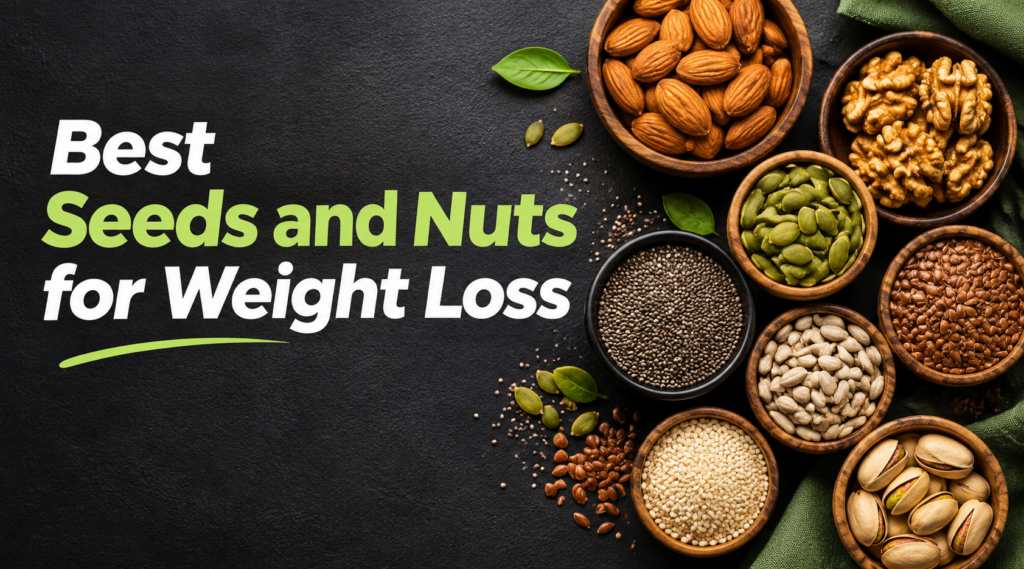
Losing weight does not mean giving up your favourite foods or following a restrictive diet. Small changes to your everyday eating habits can make a difference, and including nutritious seeds and nuts is one way to improve your diet.
Seeds and nuts contain fibre, protein, healthy fats, vitamins, and minerals. When consumed in appropriate portions, they can help make meals more satisfying and support overall health.
But which are the best seeds and nuts for weight loss? Are chia seeds, flaxseeds, almonds, and walnuts actually helpful? How much should you eat?
In this guide, we explore the best seeds to eat for weight loss, their benefits, recommended portions, and practical ways to include them in your Indian diet.
Do Seeds and Nuts Help in Weight Loss?
Yes, seeds and nuts can support weight management when included in a balanced diet. However, they are not fat-burning foods.
Their nutritional benefits include:
-
Fibre: Helps support digestion and keeps you feeling full.
-
Protein: Supports muscle maintenance and satiety.
-
Healthy fats: Help make meals more satisfying.
-
Essential nutrients: Provide minerals such as magnesium, zinc, and iron.
Remember that seeds and nuts are calorie-dense. Portion control is important, even when eating healthy foods.
For sustainable weight management, explore FiProFat’s personalized weight loss dietitian programs.
10 Best Seeds and Nuts for Weight Loss
1. Chia Seeds
Chia seeds contain fibre, plant-based omega-3 fatty acids, and protein. They absorb water and develop a gel-like texture, making them a useful addition to breakfast.
How to eat: Soak one tablespoon in water or milk and add it to oats, smoothies, or curd.
2. Flaxseeds
Flaxseeds provide dietary fibre and alpha-linolenic acid (ALA), a plant-based omega-3 fatty acid.
How to eat: Consume ground flaxseeds by adding them to smoothies, curd, oats, or homemade atta preparations.
3. Pumpkin Seeds
Pumpkin seeds are rich in protein, magnesium, zinc, and healthy fats.
How to eat: Add a tablespoon to salads, oats, or homemade snack mixes.
4. Sunflower Seeds
Sunflower seeds contain vitamin E, healthy fats, and other essential nutrients.
How to eat: Sprinkle them over salads, vegetable bowls, or breakfast preparations.
5. Sesame Seeds
Sesame seeds are commonly used in Indian cooking and provide calcium, protein, and healthy fats.
How to eat: Add them to chutneys, vegetable preparations, salads, or homemade til recipes.
6. Almonds
Almonds provide protein, fibre, vitamin E, and unsaturated fats. They make a convenient snack when consumed in appropriate portions.
How to eat: Enjoy approximately 10–15 almonds or add chopped almonds to breakfast.
7. Walnuts
Walnuts are a good source of plant-based omega-3 fatty acids, fibre, and antioxidants.
How to eat: Include two to four walnut halves in breakfast, salads, or snack mixes.
8. Pistachios
Pistachios provide protein, fibre, potassium, and healthy fats.
How to eat: Choose a small portion of unsalted pistachios as an evening snack.
9. Peanuts
Although technically legumes, peanuts are commonly included in the nuts category. They provide protein, fibre, and healthy fats.
How to eat: Choose roasted peanuts, peanut chutney, or a measured serving of natural peanut butter.
10. Melon Seeds
Watermelon and muskmelon seeds provide plant-based protein, healthy fats, and minerals.
How to eat: Add a small quantity to curd, salads, or homemade seed mixes.
Best Seeds and Nuts for Weight Loss: Quick Comparison
| Seeds and Nuts | Main Nutritional Benefit |
|---|---|
| Chia seeds | Fibre and omega-3 |
| Flaxseeds | Fibre and plant omega-3 |
| Pumpkin seeds | Protein and magnesium |
| Sunflower seeds | Vitamin E |
| Sesame seeds | Calcium and healthy fats |
| Almonds | Protein and vitamin E |
| Walnuts | Plant-based omega-3 |
| Pistachios | Protein and fibre |
| Peanuts | Protein and healthy fats |
| Melon seeds | Protein and minerals |
How to Include Seeds and Nuts in Your Weight Loss Diet
Knowing which seeds are good for weight loss is only the first step. You also need to include them in your everyday meals without consuming excessive calories.
Here are some simple ideas:
-
Breakfast: Add chia seeds or ground flaxseeds to oats, smoothies, or curd.
-
Morning snack: Eat a few almonds or walnuts with a fruit.
-
Lunch: Sprinkle pumpkin or sunflower seeds over salads.
-
Evening snack: Choose roasted peanuts or pistachios instead of frequently eating fried snacks.
-
Dinner: Add sesame seeds to vegetables or homemade chutneys.
You can also prepare a homemade seed mix using pumpkin, sunflower, and flaxseeds. Store it in an airtight container and use measured portions.
Sample Indian Weight Loss Diet Plan With Seeds and Nuts
| Meal | Food Options |
|---|---|
| Breakfast | Vegetable oats with chia seeds |
| Mid-morning | One fruit with a few almonds |
| Lunch | Two rotis, dal, sabzi, salad, and curd |
| Evening snack | Roasted chana or pumpkin seeds |
| Dinner | Paneer or tofu with vegetables and roti |
This is an illustrative meal plan. Your portion sizes should depend on your body weight, activity level, health conditions, and nutritional requirements.
For personalized guidance, explore FiProFat’s nutritionist services.
Common Mistakes to Avoid
Even nutritious foods can affect your weight-management progress when consumed without portion control.
-
Eating unlimited quantities: Seeds and nuts are calorie-dense.
-
Choosing heavily salted varieties: These may contain excessive sodium.
-
Replacing meals with nuts: They do not provide all the nutrients required for a balanced meal.
-
Expecting belly fat reduction: No particular seed can selectively burn abdominal fat.
-
Ignoring overall nutrition: Weight management depends on your complete diet, activity, sleep, and consistency.
Frequently Asked Questions
1. Which seeds are best for weight loss?
Chia seeds, flaxseeds, pumpkin seeds, sunflower seeds, and sesame seeds are useful options because they provide fibre, healthy fats, and essential nutrients.
2. Are seeds good for weight loss?
Yes, seeds can support weight management by providing fibre and healthy fats that help make meals more satisfying. However, portion control is important.
3. Which seeds should I eat every day for weight loss?
You can include chia seeds, ground flaxseeds, or pumpkin seeds in moderate quantities. There is no need to consume every variety daily.
4. Do seeds help reduce belly fat?
Seeds do not directly burn belly fat. They can be part of a balanced diet that supports overall weight loss, but reducing abdominal fat requires sustainable dietary and lifestyle changes.
5. How much seeds and nuts should I eat daily?
A small measured portion is a practical starting point. For example, you could include one tablespoon of seeds and a small portion of nuts. Your ideal quantity depends on your calorie and nutritional requirements.
Final Thoughts
Seeds and nuts can be valuable additions to a healthy weight-loss diet. Chia seeds, flaxseeds, pumpkin seeds, almonds, and walnuts provide fibre, protein, healthy fats, and essential nutrients.
However, sustainable weight loss is not about relying on a single food. It requires balanced meals, appropriate portions, regular physical activity, and consistent lifestyle habits.
If you need help managing your weight or creating a personalized eating routine, explore FiProFat’s weight loss programs or contact our nutrition team.
Recent Post
-
 05 Nov 2026Best Seeds and Nuts for Weight Loss: 10 Healthy Options to Add to Your Diet
-
 30 Oct 2026How to Increase Protein Intake as a Vegetarian: Best High-Protein Foods, Meal Plans and Practical Tips
-
 22 Oct 2026Cholesterol Dietitian in Thane: A Complete Guide to Heart-Healthy Eating
-
 15 Oct 2026Winter Diet Plan for Weight Loss: Healthy Indian Meals, Tips and a 7-Day Diet Chart
-
 08 Oct 2026Winter Arc Diet 2026: A Practical Nutrition Guide for Fat Loss, Fitness and Better Habits
Categories
Start Your Wellness Journey
FiProFat provides personalized nutrition guidance designed for sustainable, realistic results.
Continue reading