Winter Diet Plan for Weight Loss: Healthy Indian Meals, Tips and a 7-Day Diet Chart

Losing weight during winter can feel challenging. Colder mornings, reduced outdoor activity, festive meals, and cravings for warm, comforting foods can make it harder to maintain a consistent routine. The good news is that you do not need to skip your favourite winter foods or follow a strict diet to manage your weight.
A well-planned winter diet plan for weight loss can help you eat satisfying meals, manage hunger, maintain energy levels, and build healthy habits throughout the colder months. The key is to balance protein, fibre, healthy fats, and carbohydrates while keeping your overall calorie intake appropriate for your needs.
Whether you want to lose a few kilograms, improve your eating habits, or get back on track with your fitness goals, this guide explains what to eat, what to limit, and how to follow a practical Indian winter diet.
Why Is Losing Weight in the Winter Challenging?
Winter does not automatically cause weight gain, but seasonal changes can affect your daily routine and eating habits.
Here are some common reasons people struggle with weight management during colder months.
1. Increased cravings for comfort foods
Hot parathas, fried snacks, sweets, creamy gravies, and sugary beverages can become more appealing in winter. These foods can fit into a balanced diet, but frequent large portions may make it easier to consume more calories than your body needs.
2. Reduced physical activity
Shorter days and colder weather may reduce walking, outdoor exercise, and other daily movements. If your food intake remains the same while your activity decreases, maintaining a calorie deficit can become more difficult.
3. Irregular eating habits
Skipping breakfast, delaying lunch, or eating very little during the day can lead to excessive hunger later. This may result in frequent snacking or larger dinner portions.
4. Festive meals and social gatherings
Winter celebrations often include sweets, rich meals, and special snacks. You do not need to avoid these foods completely. Planning portions and maintaining your regular routine can help you enjoy them without abandoning your goals.
A sustainable approach to weight management with personalized nutrition can help you address these challenges without relying on crash diets.
What Is the Best Winter Diet Plan for Weight Loss?
The best winter diet is one that provides enough nutrients, keeps you satisfied, and fits your everyday lifestyle.
Rather than eliminating rice, roti, potatoes, or seasonal foods, focus on building balanced meals.
A simple meal structure includes:
Protein: Dal, beans, chickpeas, eggs, curd, paneer, tofu, fish, or chicken.
Fibre: Vegetables, fruits, whole grains, legumes, and seeds.
Carbohydrates: Whole-wheat roti, oats, brown rice, millets, or other grains in suitable portions.
Healthy fats: Nuts, seeds, and moderate amounts of cooking oil.
Fluids: Water, soups, and other unsweetened beverages.
Your ideal portions depend on your age, activity level, health conditions, food preferences, and weight goals. Someone who exercises regularly may need a different meal plan from someone with a sedentary routine.
The aim is not to eat as little as possible. It is to create an eating pattern you can maintain consistently.
7-Day Winter Weight Loss Meal Plan for Indians
This sample winter weight loss meal plan uses familiar Indian foods that can be adapted for vegetarian and non-vegetarian preferences.
Treat it as a flexible starting point rather than a fixed calorie prescription. Adjust portions according to hunger, activity, nutritional requirements, and advice from a qualified professional.
| Day | Breakfast | Lunch | Evening Snack | Dinner |
|---|---|---|---|---|
| Monday | Vegetable oats with curd | Roti, dal, and seasonal sabzi | Roasted chana | Paneer bhurji with roti and vegetables |
| Tuesday | Besan chilla with curd | Rajma, rice, and salad | Guava or orange with a few nuts | Vegetable soup, tofu, and whole-wheat toast |
| Wednesday | Vegetable poha with peanuts | Roti, chole, and cucumber salad | Plain curd with fruit | Moong dal khichdi with vegetables and curd |
| Thursday | Eggs with whole-wheat toast or tofu bhurji | Rice, dal, and mixed vegetables | Roasted makhana | Grilled chicken or paneer with vegetables and roti |
| Friday | Ragi dosa with sambar | Roti, kala chana, and sabzi | Apple with a few nuts | Vegetable dalia with curd |
| Saturday | Stuffed vegetable paratha with curd | Chicken or paneer bowl with rice and vegetables | Steamed corn or roasted chana | Dal, roti, and seasonal vegetables |
| Sunday | Moong dal chilla with paneer filling | Homemade vegetable pulao with raita | Seasonal fruit | Palak paneer or tofu with roti |
How to Make This Diet Chart Work for You
Include protein in every main meal. Protein from dal, legumes, dairy, eggs, soy, fish, or lean meat can help support muscle maintenance and make meals more satisfying.
Fill a substantial part of your plate with vegetables. Carrots, spinach, cauliflower, cabbage, peas, methi, and other seasonal vegetables provide fibre and important micronutrients.
Choose portions that match your needs. A large serving of even nutritious food may exceed your energy requirements, while excessively small meals can leave you hungry and tired.
Keep snacks purposeful. Fruit, curd, roasted chana, and nuts can be convenient options. Nuts are nutritious but energy-dense, so portion size matters.
Stay flexible. You can swap meals according to your schedule, budget, and preferences. Consistency across the week matters more than following a chart perfectly.
For a plan tailored to your goals, explore FiProFat’s weight loss dietitian program.
Best Foods to Include in a Winter Diet for Weight Loss
Choosing filling, nutrient-rich foods can make it easier to maintain a balanced diet during winter.
1. Seasonal vegetables
Indian winter vegetables offer variety, flavour, and fibre without requiring complicated recipes.
Good options include:
Spinach and methi
Cauliflower and cabbage
Carrots and radish
Green peas
Beetroot
Turnips and other seasonal vegetables
Prepare them as sabzi, soups, salads, stir-fries, or additions to dal and khichdi. Use cooking oil in moderate quantities, particularly when preparing fried or rich dishes.
2. Protein-rich foods
Protein is an important part of a weight-management diet because it supports muscle maintenance and can improve meal satisfaction.
Include foods such as:
Dal and lentils
Rajma and chole
Paneer and tofu
Eggs
Plain curd
Fish and chicken
Soybeans and other soy products
If your goal also includes strength training, recovery, or muscle development, explore FiProFat’s gym nutrition program for more targeted nutrition guidance.
3. Whole grains and traditional Indian carbohydrates
You do not need to eliminate carbohydrates to lose weight.
Whole-wheat roti, oats, millets, brown rice, dalia, and other whole grains can contribute energy and fibre to your meals. Rice, potatoes, and regular wheat roti can also fit into a balanced diet when portions suit your overall requirements.
4. Winter fruits
Guava, oranges, sweet lime, apples, and other available seasonal fruits provide vitamins, fibre, and variety.
Choose whole fruit more often than juice because whole fruit generally provides more fibre and can be more satisfying.
5. Nuts and seeds
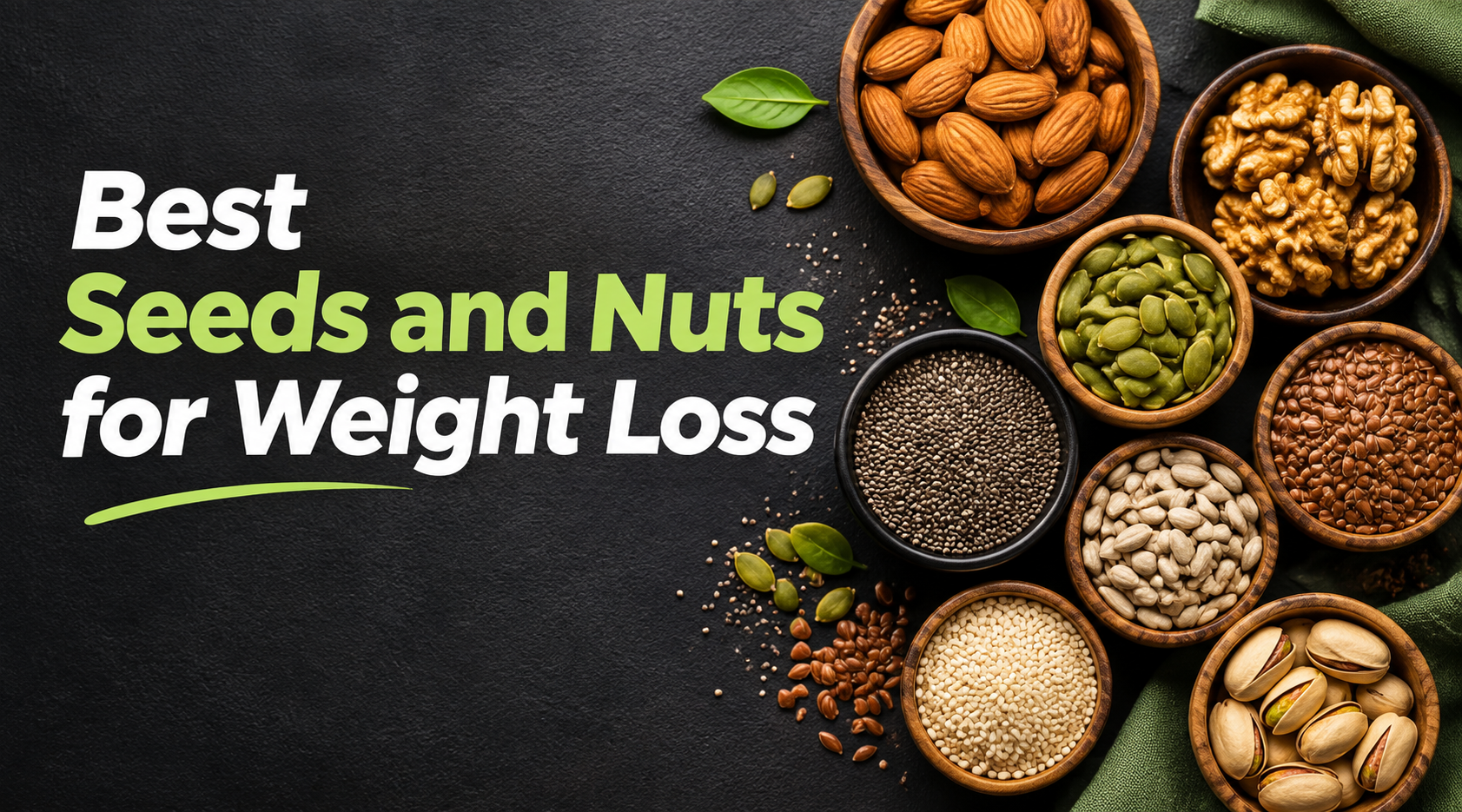
Almonds, walnuts, flaxseeds, chia seeds, and pumpkin seeds can contribute healthy fats and other nutrients. Add moderate portions to breakfast, curd, or snacks instead of eating directly from a large packet.
6. Warm, nourishing meals
You can enjoy warm foods without making them unnecessarily high in calories.
Try vegetable soup, dal, rasam, vegetable khichdi, clear chicken soup, or homemade stew. Add a source of protein where needed to make the meal more balanced.
Winter Diet Plan for Weight Loss: Foods to Limit
No single food automatically causes weight gain. However, certain foods can make it easier to consume more energy than you need, especially when portions are large or they are eaten frequently.
Consider moderating the following:
Deep-fried snacks: Pakoras, samosas, and fried namkeen can be high in calories.
Sugar-rich beverages: Sweetened tea, coffee, hot chocolate, and flavoured drinks can add calories without providing much satiety.
Frequent sweets: Laddoos, halwa, jalebi, and other desserts can be enjoyed occasionally in mindful portions.
Rich gravies: Cream, butter, and large amounts of oil can substantially increase the calorie content of a meal.
Frequent packaged snacks: Biscuits, chips, and bakery products may be easy to overeat.
Large portions of high-calorie winter treats: Traditional foods such as gajak, chikki, and panjiri can fit into your routine, but portion awareness is helpful.
You do not need to label these foods as forbidden. A flexible approach is often easier to sustain than strict restrictions that leave you feeling deprived.
7 Practical Tips for Losing Weight in the Winter
If you are wondering how to manage your weight when the weather gets colder, start with a few manageable habits.
1. Eat regular, balanced meals
Avoid skipping meals simply to compensate for a heavier lunch or dinner. Regular meals containing protein and fibre may help you manage hunger and make more consistent food choices.
2. Drink water throughout the day
You may feel less thirsty in cold weather, but hydration remains important. Keep water nearby and drink regularly. Warm water or unsweetened herbal tea can be alternatives if you prefer warm beverages.
Water is useful for hydration, but drinking extra water does not directly melt body fat.
3. Continue moving daily
Aim for a realistic activity routine that suits your fitness level. Walking, home workouts, resistance training, dancing, or indoor exercise can all help you stay active during winter.
If you already exercise at a gym, combine suitable strength training with everyday movement rather than depending on workouts alone.
4. Get sufficient sleep
Poor sleep can affect appetite, food choices, energy, and recovery. Maintain a consistent sleep schedule and create a relaxing bedtime routine.
5. Plan meals ahead
Preparing dal, chopping vegetables, boiling eggs, cooking beans, or keeping convenient protein sources ready can make balanced eating easier on busy days.
6. Manage portions without obsessing over calories
Pay attention to hunger, fullness, and portion sizes. If calorie tracking is useful for you, use it as a guide rather than a reason to ignore hunger or adopt extreme restrictions.
7. Track progress beyond the weighing scale
Weight can fluctuate due to hydration, digestion, menstrual cycles, and other factors. Consider tracking consistency, energy levels, strength, waist measurements, and how your clothes fit alongside body weight.
If you need support with your routine, FiProFat’s nutritionist services can help you explore an approach suited to your health and lifestyle goals.
Is a Diet for Weight Loss in Winter Different From a Summer Diet?
The basic principles of weight management remain similar throughout the year. Your overall food intake, physical activity, sleep, and consistency matter more than the season itself.
However, a winter routine may benefit from a few practical adjustments.
| Winter Challenge | Practical Nutrition Solution |
|---|---|
| Craving warm comfort foods | Choose nourishing soups, dal, khichdi, and balanced homemade meals |
| Eating fewer vegetables | Add seasonal vegetables to lunch and dinner |
| Feeling less thirsty | Keep water available and drink regularly |
| Reduced outdoor activity | Schedule indoor workouts or regular walks |
| Frequent festive meals | Enjoy favourite foods in mindful portions and return to your routine |
| Increased evening snacking | Plan a satisfying snack with protein or fibre |
A sensible diet for winter weight loss should be adapted to your circumstances instead of relying on seasonal detoxes, fat-burning drinks, or restrictive food rules.
How to Follow a Diet in Winter for Weight Loss if You Are Vegetarian
Vegetarian eating can support weight management when meals provide sufficient protein, fibre, and overall nutrition.
Build your meals around a variety of foods:
Breakfast: Besan chilla with curd, oats with milk, or moong dal chilla with paneer.
Lunch: Roti with dal, seasonal sabzi, and curd, or rajma with rice and vegetables.
Snack: Roasted chana, fruit with curd, or a moderate portion of nuts.
Dinner: Tofu or paneer with vegetables and roti, or dal khichdi with curd.
Include a variety of protein sources instead of relying on just one food. If you have specific nutritional needs, a dietitian can help you plan suitable portions and combinations.
Winter Weight Loss Diet for People With PCOS, Diabetes, or Thyroid Conditions
A general weight-loss meal plan may not be appropriate for everyone. Certain health conditions can influence nutritional requirements, medication timing, appetite, blood glucose management, and the way a diet should be structured.
Weight management with PCOS
People with PCOS may benefit from a sustainable eating pattern that supports overall health, adequate nutrition, and appropriate weight management where needed. There is no single winter food or universal PCOS diet that works for everyone.
Learn more about FiProFat’s PCOS dietitian services.
Weight management with diabetes
Meal timing, carbohydrate portions, medication, physical activity, and blood glucose levels may all affect dietary decisions. Avoid drastic calorie restriction or skipping meals without appropriate professional guidance, particularly if you use medication that can cause low blood glucose.
Explore personalized diabetes nutrition support.
Weight management with thyroid conditions
Thyroid conditions can affect weight and energy levels, but weight changes may have several contributing factors. Treatment, medication adherence, sleep, activity, and overall eating patterns should be considered together.
A qualified professional can help you develop a realistic eating plan while coordinating with your treating clinician where necessary.
Common Winter Weight Loss Mistakes to Avoid
Even a well-intentioned diet can become difficult to maintain when it involves unnecessary restrictions.
Watch out for these common mistakes:
Skipping meals to lose weight faster: This can increase hunger and make your routine harder to sustain.
Cutting out all carbohydrates: Carbohydrates provide energy and can be part of a balanced diet. Focus on suitable portions and nutritious sources.
Depending on detox drinks: No special tea, juice, or detox water can selectively burn body fat. Your body already has systems for processing and eliminating waste.
Following an extremely low-calorie diet: Severe restriction may leave you fatigued and can increase the risk of nutritional deficiencies. Very-low-calorie approaches require appropriate medical supervision.
Expecting rapid results: Sustainable progress is usually gradual. Short-term scale changes do not always reflect changes in body fat.
Copying somebody else’s diet chart: Your needs may differ because of body size, activity, health conditions, food preferences, and daily schedule.
The most effective plan is one you can follow safely and consistently.
When Should You Consult a Dietitian for Weight Loss?
A personalized diet plan may be useful if you have tried several diets without finding a sustainable routine, struggle with frequent hunger, have a demanding work schedule, or need nutrition guidance alongside a medical condition.
A qualified dietitian can assess your usual eating habits, activity level, preferences, health history, and goals before recommending suitable changes.
At FiProFat, nutrition guidance can be explored for weight management, fitness, and health-related dietary needs. You can begin with the online diet assessment or learn more about online dietitian consultation.
If you prefer to discuss your requirements directly, visit the FiProFat contact page.
Frequently Asked Questions About a Winter Diet Plan for Weight Loss
1. What is the best winter diet plan for weight loss?
A balanced plan includes protein-rich foods, vegetables, fruits, whole grains, healthy fats, and adequate fluids. The portions should match your nutritional requirements and activity level. There is no single diet chart that is best for everyone.
2. Which foods should I eat to lose weight in winter?
Include seasonal vegetables, fruits, dal, beans, eggs, curd, paneer, tofu, fish, chicken, whole grains, and moderate portions of nuts and seeds. Choose meals that provide enough nutrition and help you feel satisfied.
3. Is losing weight in the winter harder than in the summer?
Not necessarily. Winter may change your activity levels, food cravings, and daily routine, but the season does not automatically prevent fat loss. Consistent eating habits, suitable activity, sleep, and an appropriate calorie intake remain important.
4. Can I eat roti and rice while following a winter weight loss diet?
Yes. Roti and rice can both fit into a balanced diet. Choose portions that suit your energy requirements and combine them with protein-rich foods and vegetables.
5. What is a good winter weight loss meal plan for vegetarians?
A vegetarian meal plan can include oats, besan chilla, dal, rajma, chole, paneer, tofu, curd, seasonal vegetables, fruits, and whole grains. Include a variety of protein sources across the day.
Recent Post
-
 05 Nov 2026Best Seeds and Nuts for Weight Loss: 10 Healthy Options to Add to Your Diet
-
 30 Oct 2026How to Increase Protein Intake as a Vegetarian: Best High-Protein Foods, Meal Plans and Practical Tips
-
 22 Oct 2026Cholesterol Dietitian in Thane: A Complete Guide to Heart-Healthy Eating
-
 15 Oct 2026Winter Diet Plan for Weight Loss: Healthy Indian Meals, Tips and a 7-Day Diet Chart
-
 08 Oct 2026Winter Arc Diet 2026: A Practical Nutrition Guide for Fat Loss, Fitness and Better Habits
Categories
Start Your Wellness Journey
FiProFat provides personalized nutrition guidance designed for sustainable, realistic results.
Continue reading