Cholesterol Dietitian in Thane: A Complete Guide to Heart-Healthy Eating
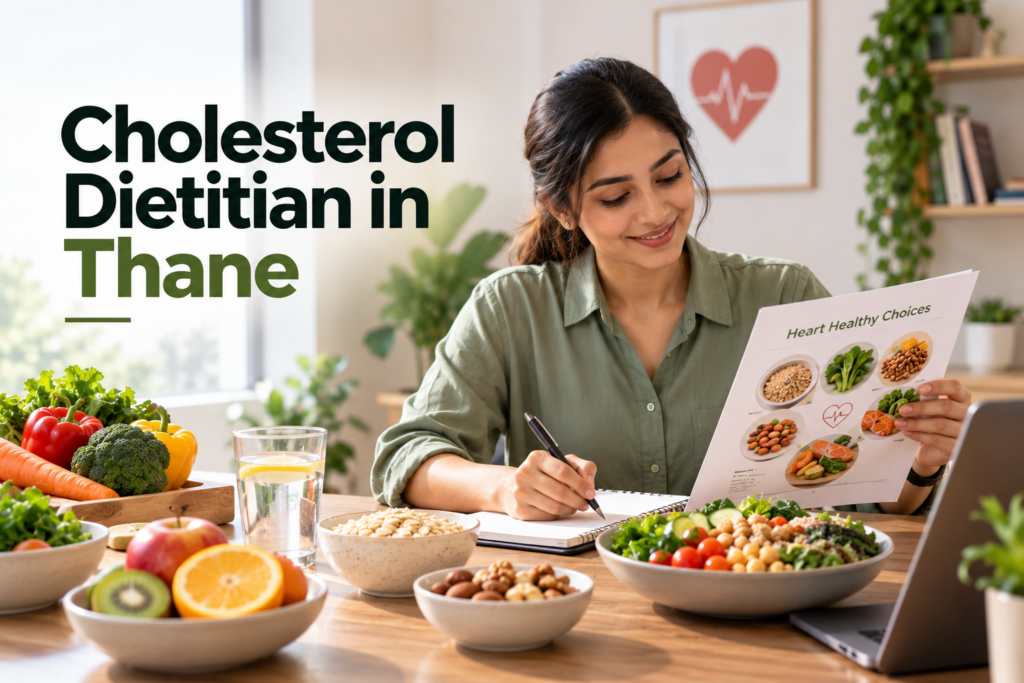
High cholesterol is a common health concern that can increase the risk of heart disease and stroke if left unmanaged. Unhealthy eating habits, low physical activity, genetics, certain medical conditions, and lifestyle factors can all contribute to abnormal cholesterol levels. The good news is that the right dietary choices, regular exercise, and appropriate medical care can help improve cholesterol management.
If you are looking for a cholesterol dietitian in Thane, understanding how nutrition affects cholesterol is an important first step. A personalized diet plan can help you make practical changes to your everyday meals without giving up all your favourite Indian foods.
At FiProFat, nutrition guidance focuses on building sustainable eating habits around your health requirements, food preferences, and lifestyle. In this guide, you will learn which foods can help manage cholesterol, which eating habits to reconsider, and how a heart-friendly Indian diet can fit into your daily routine.
Why Should You Consult a Cholesterol Dietitian in Thane?
Cholesterol management is not simply about avoiding oily food. Your overall diet, physical activity, genetics, weight, and medical history can influence your cholesterol profile. A qualified dietitian can help you understand these factors and build a realistic eating plan.
Here is how personalized nutrition guidance can help.
1. Understand Your Cholesterol Levels
A lipid profile usually measures total cholesterol, LDL cholesterol, HDL cholesterol, and triglycerides. Each value provides different information about your cardiovascular health.
LDL cholesterol is often called “bad” cholesterol because elevated levels can contribute to plaque buildup in the arteries. HDL cholesterol helps transport cholesterol back to the liver, while high triglyceride levels may also be associated with increased cardiovascular risk.
A dietitian can help you understand how your eating habits relate to these results and what dietary changes may be appropriate. Your doctor should interpret your results alongside your medical history and overall risk factors.
2. Get a Personalized Heart-Healthy Diet Plan
A generic diet chart may not account for your work schedule, food preferences, family meals, activity level, or other health conditions.
A personalized plan can help you make practical changes, such as replacing some saturated fats with unsaturated fats, increasing fibre intake, and choosing balanced meals that you can maintain over time.
Explore FiProFat’s heart health nutrition services to learn more about nutrition support for cardiovascular health.
3. Improve Everyday Eating Habits
Many people consume excess saturated fat or refined carbohydrates without realizing how frequently these foods appear in their daily meals.
A dietitian can help you identify realistic substitutions, improve portion awareness, plan meals, and make healthier choices when eating at home, at work, or outside.
4. Manage Related Health Concerns
High cholesterol may occur alongside excess body weight, diabetes, high blood pressure, or other metabolic concerns. Managing these factors together can be more useful than focusing on one food or one laboratory result.
If weight management is also a priority, explore FiProFat’s weight loss dietitian program in Thane and Pune.
What Causes High Cholesterol?
Cholesterol is a waxy substance that your body needs to build cells and produce certain hormones. Your liver makes cholesterol, and you also obtain it from some foods. Problems can arise when LDL cholesterol or other blood lipids remain elevated.
Common contributing factors include:
Eating patterns high in saturated fats and trans fats.
Low intake of fibre-rich foods such as vegetables, fruits, legumes, and whole grains.
Limited physical activity.
Smoking.
Excessive alcohol intake, which can particularly affect triglyceride levels.
Genetics, including inherited conditions such as familial hypercholesterolaemia.
Certain medical conditions, including diabetes and hypothyroidism.
Some medications and age-related changes.
High cholesterol often has no noticeable symptoms. Regular blood testing is therefore important, particularly if you have a family history of cardiovascular disease or other risk factors.
Dietary changes can make a meaningful difference, but they may not be sufficient for everyone. Some people need cholesterol-lowering medication alongside lifestyle changes.
Best Foods to Include in a Cholesterol-Lowering Diet
A heart-friendly diet emphasizes fibre-rich plant foods, suitable protein sources, and healthier fats. You do not need expensive ingredients or a completely different menu to begin making improvements.
1. Oats and Other Whole Grains
Oats contain beta-glucan, a type of soluble fibre that can help lower LDL cholesterol when consumed regularly as part of an appropriate diet.
Other useful options include barley, whole-wheat roti, dalia, and other minimally processed whole grains.
How to include them:
Have vegetable oats for breakfast.
Choose whole-wheat roti more often than refined-flour alternatives.
Add barley or dalia to soups and meals.
Vary your grains rather than relying entirely on refined cereals.
2. Dal, Beans, and Legumes
Dal, rajma, chole, chickpeas, and other legumes provide soluble fibre, plant protein, and other important nutrients. Replacing some fatty meat dishes or heavily processed foods with legumes can improve the overall quality of your diet.
Practical ideas:
Include dal with lunch or dinner.
Prepare homemade rajma or chole with moderate amounts of oil.
Add chickpeas to salads.
Use moong dal or besan to prepare chilla.
3. Vegetables and Fruits
Vegetables and fruits provide fibre, vitamins, minerals, and a variety of beneficial plant compounds.
Include spinach, methi, carrots, cabbage, cauliflower, beans, tomatoes, apples, guava, oranges, and other seasonal produce.
Try to add vegetables to your main meals and choose whole fruit instead of fruit juice more often. Whole fruit generally provides more fibre and is more filling.
4. Nuts and Seeds
Almonds, walnuts, flaxseeds, and chia seeds provide unsaturated fats and other nutrients. Replacing some foods high in saturated fat with moderate portions of nuts and seeds may support a heart-healthy eating pattern.
You can add a small portion of nuts to breakfast or sprinkle ground flaxseed over curd or oats. Nuts are energy-dense, so portion sizes still matter, particularly if weight management is one of your goals.
5. Foods Rich in Unsaturated Fats
Replacing some saturated fats with unsaturated fats can help lower LDL cholesterol.
Suitable options include:
Nuts and seeds.
Olive, mustard, groundnut, and other unsaturated-fat-rich oils.
Avocado, where available.
Fish, including oily fish as part of a balanced diet.
The type of fat matters, but the quantity matters too. Even healthier oils should be used in moderate amounts.
6. Low-Fat Dairy and Suitable Protein Sources
Depending on your preferences and nutritional needs, low-fat milk, plain curd, tofu, beans, fish, and lean poultry can be useful components of a balanced diet.
If you eat paneer, cheese, butter, or cream regularly, consider how often you consume them and whether lower-saturated-fat alternatives would suit your routine.
For more individualized support, you can explore FiProFat’s nutritionist services in Thane and Pune.
Foods to Limit When Managing High Cholesterol
You do not necessarily need to eliminate every food you enjoy. However, reducing frequent intake of foods high in saturated fats and avoiding industrial trans fats can help improve your overall dietary pattern.
1. Foods High in Saturated Fat
Frequent or excessive consumption of saturated fat can raise LDL cholesterol in many people.
Consider moderating:
Butter and ghee in large quantities.
Cream and high-fat dairy products.
Fatty cuts of meat.
Processed meats.
Foods made with substantial amounts of palm or coconut oil.
Rich gravies containing large amounts of butter, cream, or ghee.
Traditional Indian foods can still fit into a balanced diet. The goal is to review preparation methods, frequency, and portions rather than automatically removing entire food groups.
2. Deep-Fried Foods
Samosas, pakoras, puris, bhajiyas, and other deep-fried snacks can contribute substantial amounts of fat and calories, depending on the ingredients and preparation.
Try alternatives such as roasted snacks, steamed dishes, grilled preparations, or air-fried versions when practical.
3. Packaged Bakery Products
Some biscuits, pastries, cakes, cookies, and packaged snacks contain substantial saturated fat, added sugar, or other ingredients that can make them less suitable as everyday foods.
Check nutrition labels when possible, particularly for saturated fat and trans fat.
4. Sugary Drinks and Refined Carbohydrates
High intakes of sugary beverages, sweets, and refined carbohydrates can contribute to elevated triglyceride levels, particularly when consumed frequently or in large quantities.
Reduce the frequency of sugary drinks and choose water, unsweetened beverages, or whole fruit more often.
5. Excessive Alcohol
Alcohol can increase triglyceride levels, particularly when intake is high. If your triglycerides are elevated, discuss alcohol consumption with your healthcare professional.
Sample Indian Diet Chart for High Cholesterol
A balanced Indian meal plan can include familiar foods while emphasizing fibre, suitable protein sources, and healthier fats.
The following is an example of how you might structure a day. It is not a personalized prescription, and portions should be adjusted to your nutritional needs, activity level, medical history, and goals.
| Meal | Sample Food Choices |
|---|---|
| Early morning | Water; unsweetened tea if preferred |
| Breakfast | Vegetable oats, or whole-wheat toast with vegetables and a suitable protein source |
| Mid-morning | One whole fruit, such as guava, apple, or orange |
| Lunch | Whole-wheat roti, dal, seasonal vegetables, and salad |
| Evening snack | Roasted chana or a moderate portion of unsalted nuts |
| Dinner | Vegetable khichdi with dal and vegetables, or roti with beans, tofu, and sabzi |
| Optional snack | Plain low-fat curd or another suitable option if genuinely hungry |
How to Make This Diet Chart More Effective
Increase soluble fibre gradually. Oats, barley, beans, lentils, and certain fruits can help reduce LDL cholesterol. Increase fibre intake gradually and drink adequate fluids to support digestive comfort.
Choose healthier fats. Replace some butter, ghee, and other saturated-fat-rich ingredients with appropriate unsaturated-fat sources rather than simply adding more oil.
Use moderate cooking oil. Even unsaturated oils are calorie-dense. Measuring oil during cooking can help prevent excessive use.
Keep meals varied. A mix of legumes, vegetables, whole grains, fruit, and suitable protein sources can help you obtain a broader range of nutrients.
Avoid extreme restrictions. A diet that is too restrictive may be difficult to maintain and may not provide adequate nutrition.
If you also need support with weight management, FiProFat’s personalized weight loss plans can be a useful starting point.
How Does Soluble Fibre Help Lower Cholesterol?
Soluble fibre is especially useful in a cholesterol-conscious diet because it can reduce the absorption of cholesterol in the digestive system and help the body remove more cholesterol through bile.
Foods that provide soluble fibre include:
Oats and barley.
Beans, lentils, and chickpeas.
Apples and citrus fruits.
Certain vegetables.
Psyllium husk, when appropriate.
The effect depends on the amount consumed and the overall diet. Fibre is not an instant treatment, but regularly including fibre-rich foods can contribute to better cholesterol management.
If you are considering fibre supplements such as psyllium, ask your healthcare professional or pharmacist whether they are suitable for you, especially if you take medication. Some supplements need to be separated from certain medicines.
Lifestyle Changes That Support Healthy Cholesterol Levels
Nutrition is important, but cholesterol management usually works best when it is part of a broader health plan.
Stay Physically Active
Regular physical activity supports cardiovascular health and can help improve triglycerides and other risk factors.
Choose activities suited to your current fitness and medical condition, such as brisk walking, cycling, swimming, or strength training. If you are new to exercise or have an existing health condition, ask your clinician what level of activity is appropriate.
Maintain a Suitable Weight
If you have excess body weight, gradual weight loss may help improve triglycerides and other metabolic risk factors. The right goal depends on your individual circumstances, and weight loss is not necessary for everyone with high cholesterol.
A sustainable eating pattern and regular activity are generally more useful than crash diets.
Avoid Smoking
Smoking increases cardiovascular risk and can adversely affect HDL cholesterol. Quitting smoking is an important step toward better heart health.
Prioritize Sleep and Stress Management
Adequate sleep and practical stress-management strategies can support healthier routines, physical activity, and consistent eating habits. They should complement, rather than replace, appropriate cholesterol treatment.
Monitor Your Cholesterol
Your clinician can advise when to repeat your lipid profile based on your starting results, risk factors, medication, and treatment plan.
Do not stop or change prescribed cholesterol medication simply because your diet has improved. Discuss treatment decisions with your doctor.
Who Should Consider a Personalized Cholesterol Diet Plan?
Nutrition guidance may be especially useful if you:
Have elevated LDL cholesterol or triglycerides.
Have a family history of high cholesterol or early heart disease.
Have diabetes, high blood pressure, or other cardiovascular risk factors.
Eat frequently outside the home.
Want to improve your everyday cooking habits.
Need a diet that supports both cholesterol management and weight management.
Find it difficult to understand food labels or choose suitable alternatives.
A personalized plan should take your lipid profile, health history, dietary preferences, and other risk factors into account. A dietitian can provide nutrition guidance, while your doctor assesses your overall cardiovascular risk and decides whether medication or further investigations are needed.
Why Choose FiProFat for Cholesterol Nutrition Guidance in Thane?
Managing cholesterol is often about making several small, consistent changes rather than following a complicated diet.
FiProFat provides nutrition-focused services for people working toward goals such as healthier eating, weight management, and cardiovascular health. The aim of nutrition guidance is to help you understand your dietary habits and identify realistic changes that fit your lifestyle.
With an individualized approach, you can work on:
Understanding your current eating patterns.
Including more fibre-rich foods.
Choosing suitable sources of protein and healthier fats.
Planning balanced Indian meals.
Making practical changes to cooking methods and portions.
Building habits that are easier to maintain over time.
Learn more about FiProFat’s heart health dietitian services or explore the wider range of nutrition services available in Thane and Pune.
If you are ready to discuss your nutrition goals, visit the FiProFat contact page to enquire about suitable support.
Frequently Asked Questions
1. Can a dietitian help reduce high cholesterol?
Yes. A qualified dietitian can help you adopt eating habits that support lower LDL cholesterol and healthier triglyceride levels. The plan may focus on soluble fibre, healthier fats, appropriate portions, and reducing saturated and trans fats. Some people also need medication prescribed by their doctor.
2. Which foods are best for lowering LDL cholesterol?
Oats, barley, beans, lentils, chickpeas, fruits, vegetables, nuts, and seeds can support a cholesterol-conscious diet. Replacing some saturated fats with unsaturated fats is also an important dietary strategy.
3. Is ghee bad for cholesterol?
Ghee contains saturated fat, and consuming large amounts may raise LDL cholesterol in many people. You do not need to make decisions based on one food alone; consider your total saturated-fat intake, portion sizes, and overall dietary pattern.
4. Can I eat rice if I have high cholesterol?
Yes. Rice can be part of a balanced diet. Pair it with dal, beans, vegetables, and suitable protein sources, and choose portions that fit your overall nutritional needs. Whole grains can provide more fibre, but you do not need to eliminate rice completely.
5. How long does it take for diet changes to affect cholesterol?
Cholesterol levels can respond to dietary and lifestyle changes over several weeks, but the timing and degree of improvement vary. Your clinician can recommend an appropriate interval for repeat testing based on your health and treatment plan.
Recent Post
-
 05 Nov 2026Best Seeds and Nuts for Weight Loss: 10 Healthy Options to Add to Your Diet
-
 30 Oct 2026How to Increase Protein Intake as a Vegetarian: Best High-Protein Foods, Meal Plans and Practical Tips
-
 22 Oct 2026Cholesterol Dietitian in Thane: A Complete Guide to Heart-Healthy Eating
-
 15 Oct 2026Winter Diet Plan for Weight Loss: Healthy Indian Meals, Tips and a 7-Day Diet Chart
-
 08 Oct 2026Winter Arc Diet 2026: A Practical Nutrition Guide for Fat Loss, Fitness and Better Habits
Categories
Start Your Wellness Journey
FiProFat provides personalized nutrition guidance designed for sustainable, realistic results.
Continue reading